Login to use
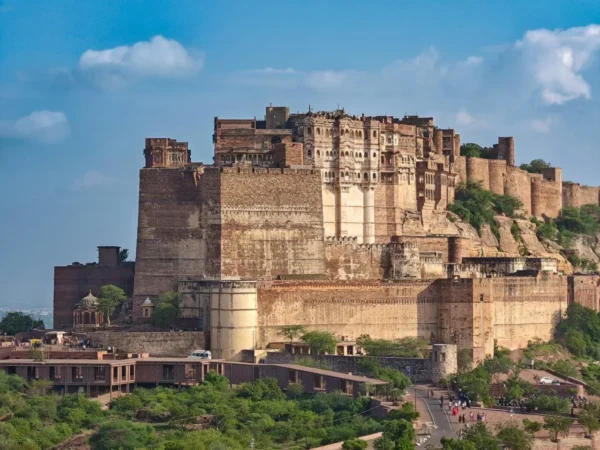
Royal Rajasthan Tour with Taj Mahal 10 Days
Location
Duration
Experience Rajasthan's Royal Heritage and India's Most Famous...


You may check out all the available trips and book one that suits you.
Continue Browsing TripsWelcome to the Capital. Your journey begins at Indira Gandhi International Airport (DEL). Upon arrival, you will be greeted by your representative and transferred to your hotel. Delhi is a city of startling contrasts, where ancient ruins sit comfortably next to modern metro stations.
After a hearty breakfast from hotel and start your local New Delhi Tour around 9am.
Evening: Return to your hotel to shake off the jet lag, or enjoy a welcome dinner at a highly-rated restaurant in Connaught Place to sample authentic butter chicken or rich paneer dishes.
Drive Time: Approx. 3.5 hours via the Yamuna Expressway.
Leave Delhi behind as you drive toward Agra. Upon checking into your hotel, prepare for an afternoon immersed in Mughal history. Your first stop is the imposing Agra Fort. Unlike the Taj Mahal, the fort was primarily a military structure and royal residence. Wander through the Diwan-i-Am (Hall of Public Audience) and the intricately carved Jahangiri Mahal, after that Visit Itimad-ud-Daulah, also known as the "Baby Taj," a beautiful marble tomb famous for its intricate craftsmanship.
As the sun begins to set, cross the Yamuna River to Mehtab Bagh (the Moonlight Garden). This park offers a serene, perfectly aligned view of the Taj Mahal from behind, providing stunning photo opportunities away from the major crowds.
Return to your hotel to freshen up before dinner. If you still have some energy left, the evening is the perfect time to explore Agra’s vibrant local markets, renowned for their traditional Indian clothing, exquisite Mughal-style jewelry, handmade wool and silk carpets, fine leather goods, and the city’s most famous sweet delicacy, Agra Petha a translucent soft candy that has been a local specialty for generations.
Drive Time: Approx. 5 hours.
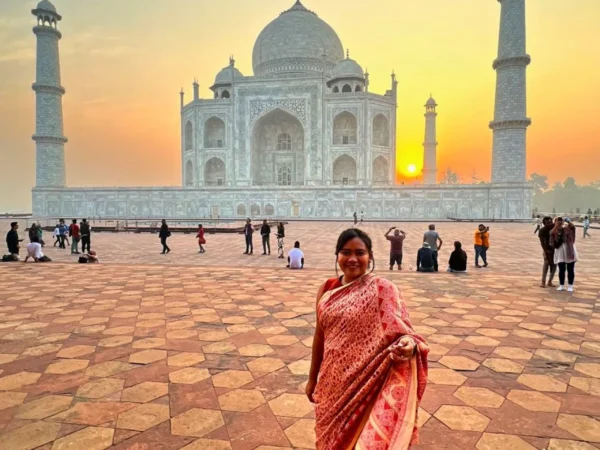
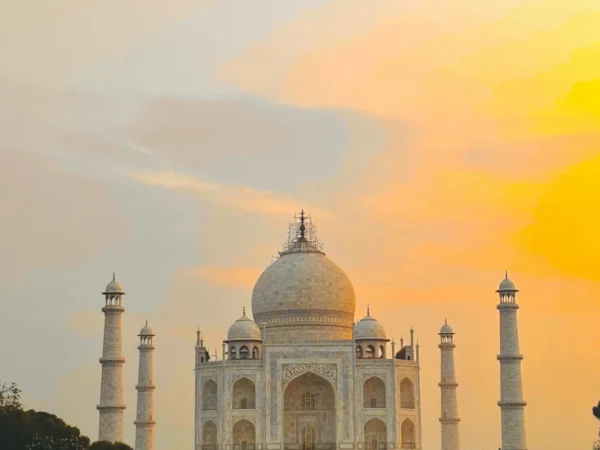
Wake up before dawn for the crown jewel of your trip: the Taj Mahal sunrise tour. Watching the marble change colors from pale violet to warm gold as the sun rises is a truly transcendent experience.
Return to the hotel for breakfast and check out. Before leaving Agra, visit a local marble inlay workshop to witness the traditional craftsmanship inspired by the Taj Mahal. Then drive to Jaipur, stopping en route at the UNESCO-listed Fatehpur Sikri, the magnificent abandoned capital built by Emperor Akbar. Continue to Jaipur and check in to your hotel by late afternoon.
Morning: Amber Fort
Start your day just outside the city center at the magnificent Amber Fort (Amer Fort). Perched on a rugged hill, this sprawling complex of pale yellow and pink sandstone is a masterpiece of Rajput architecture. You can ascend the hill via a jeep or an elephant ride (though ethical travelers increasingly prefer the jeep). Inside, do not miss the Sheesh Mahal (Mirror Palace), where the walls and ceilings are embedded with thousands of tiny glass mirrors that can be illuminated by a single candle.
Afternoon: Jal Mahal, City Palace and Jantar Mantar
Head back into the heart of the walled Pink City. Visit Jal Mahal, Jaipur's iconic Water Palace, beautifully situated in the middle of Man Sagar Lake and famous for its stunning floating appearance then Visit the City Palace, a complex of courtyards, gardens, and buildings where the royal family of Jaipur still resides in a private wing. Next door is Jantar Mantar, a fascinatig open-air astronomical observatory built in the 1720s. It houses the world's largest stone sundial, which is accurate to within two seconds!
Late Afternoon: Hawa Mahal & Bazaars
Stop for photos at the iconic Hawa Mahal (Palace of Winds). Its five-story, honeycomb-like facade features 953 small windows designed to allow royal ladies to observe street festivals unseen. End your afternoon exploring Jaipur Shopping. Jaipur is world-renowned for its block-printed textiles, blue pottery, and gemstone jewelry.
After comeback to Hotel then take a rest.
Today, you transition from the land of kings to the realm of the gods. Take a morning flight from Jaipur to Varanasi (approx. 5 to 7 hours).
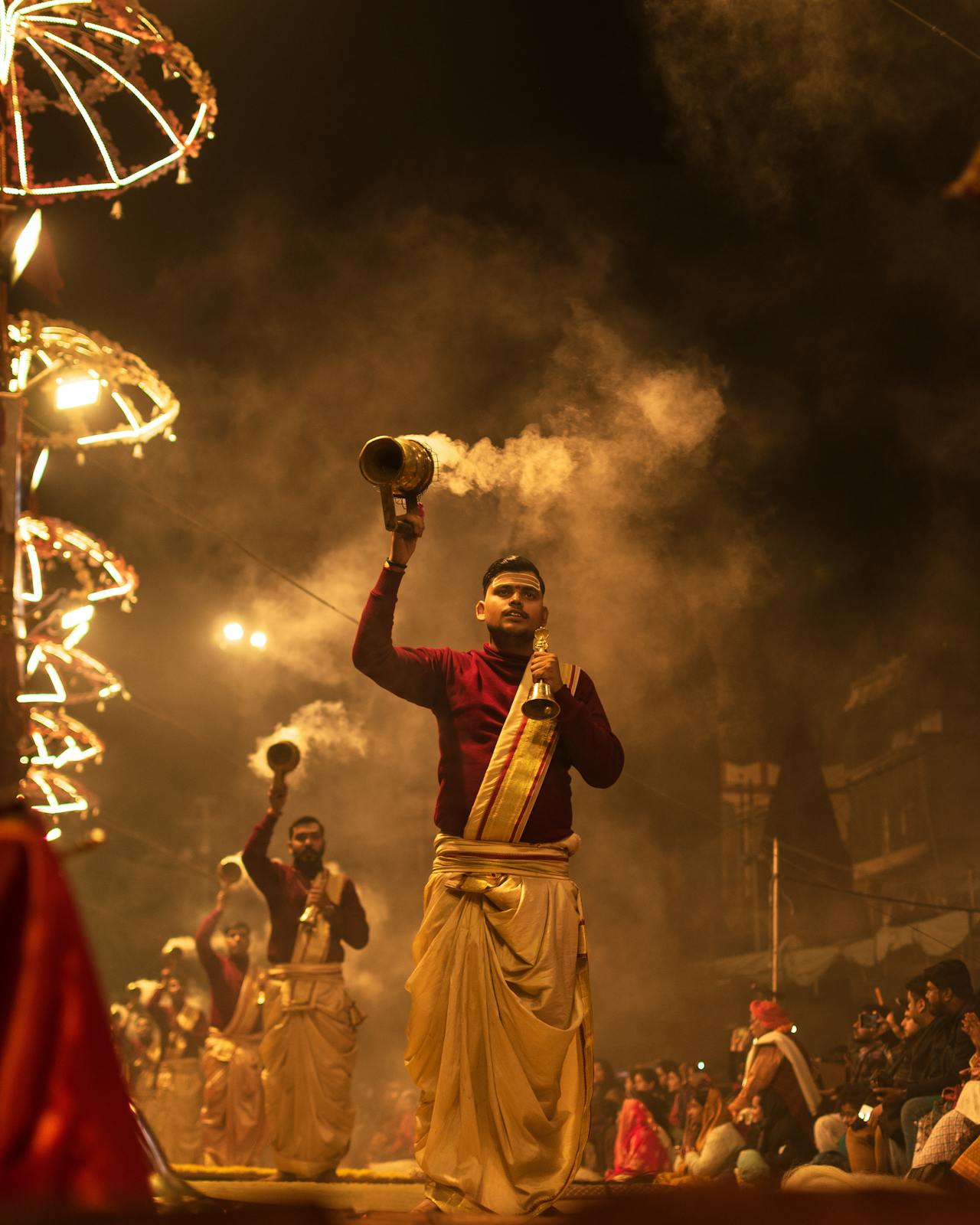
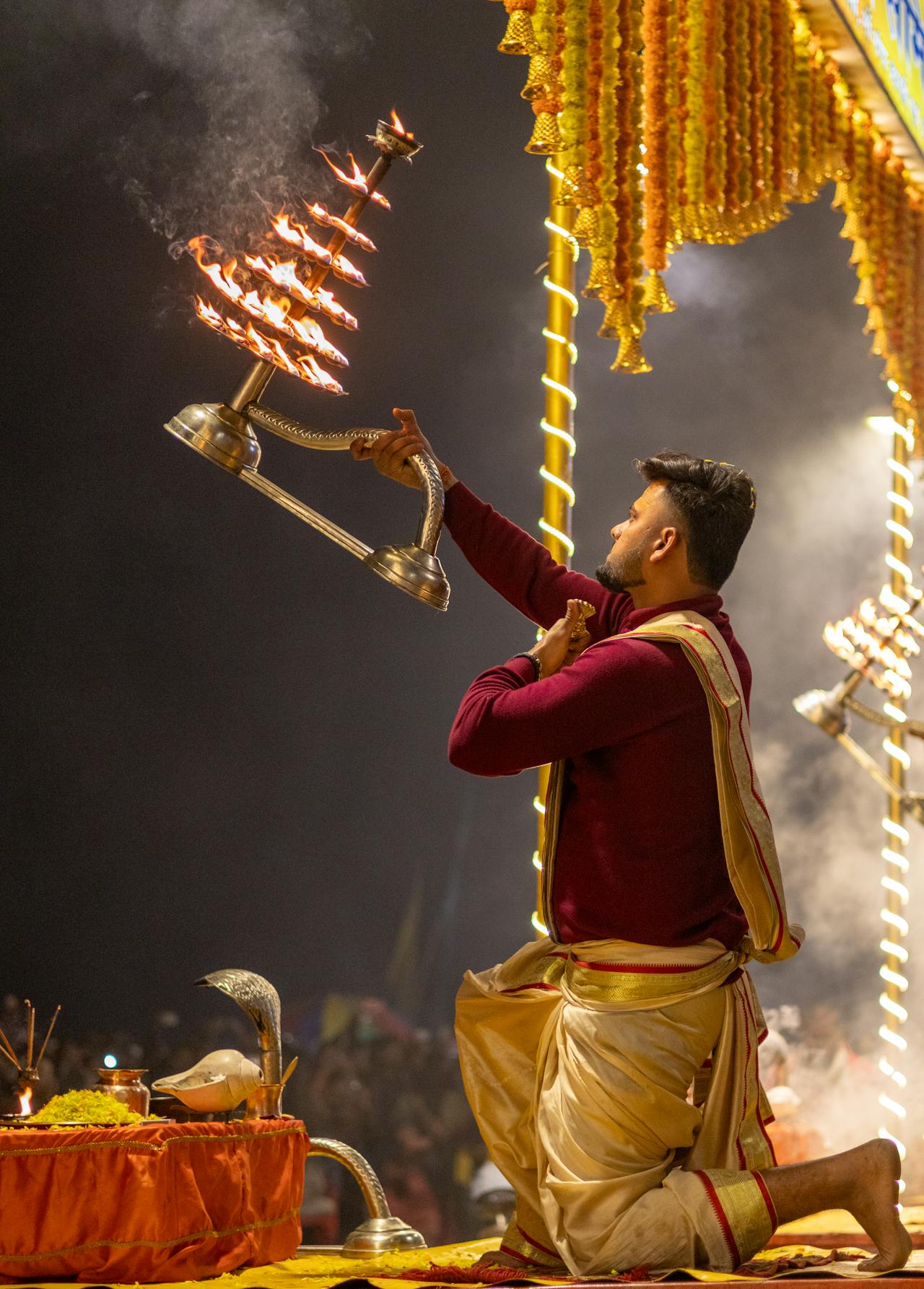
Upon arrival in the holy city of Kashi, the shift in atmosphere is palpable. Check into your hotel and take a moment to rest. As dusk approaches, head to the Dashashwamedh Ghat for the Ganga Aarti. This nightly ritual of fire, chanting, and ringing bells is performed by brass-wielding priests offering dedication to the River Ganges. It is a mesmerizing, deeply spiritual spectacle that defines this ancient city.
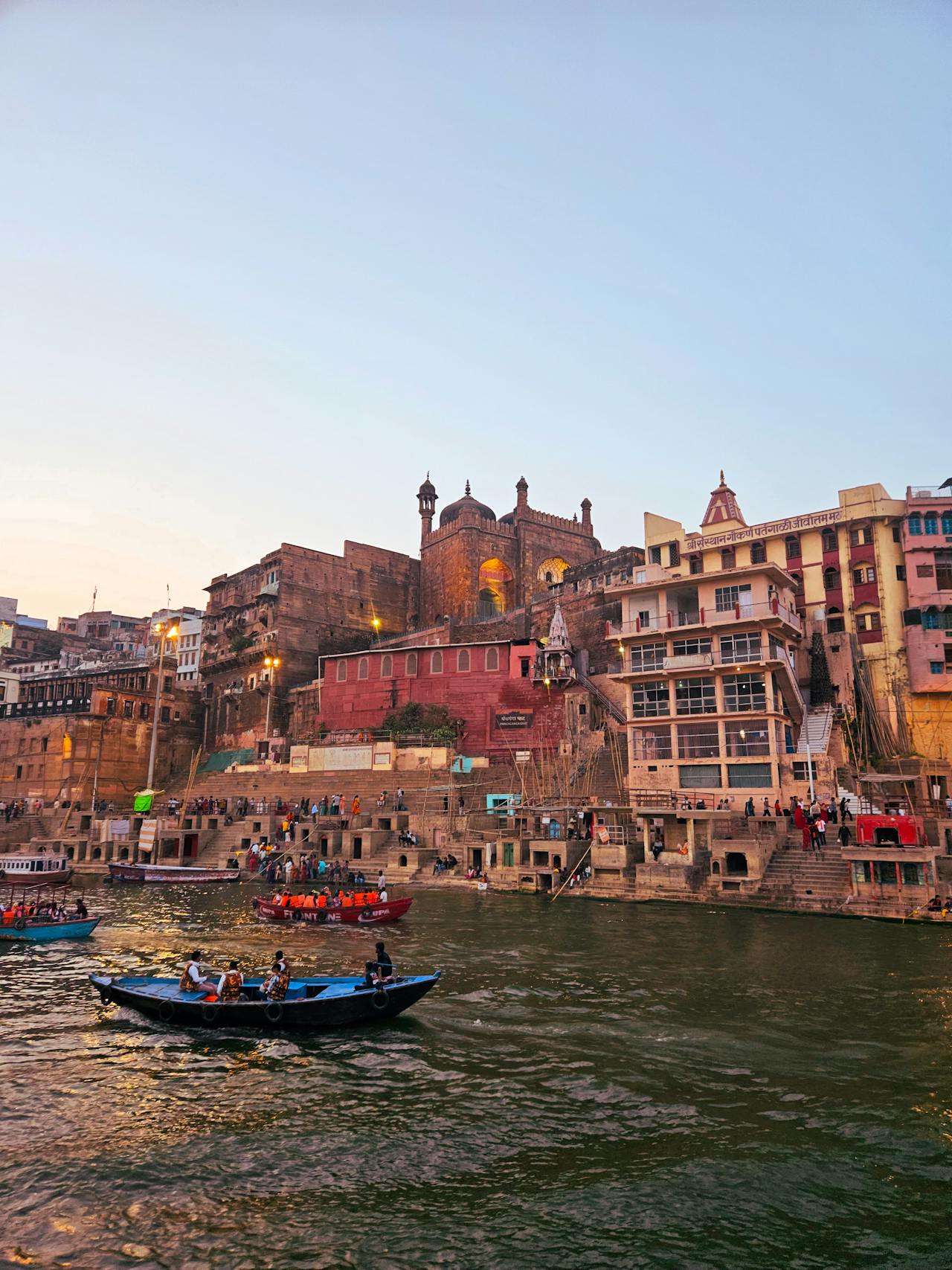
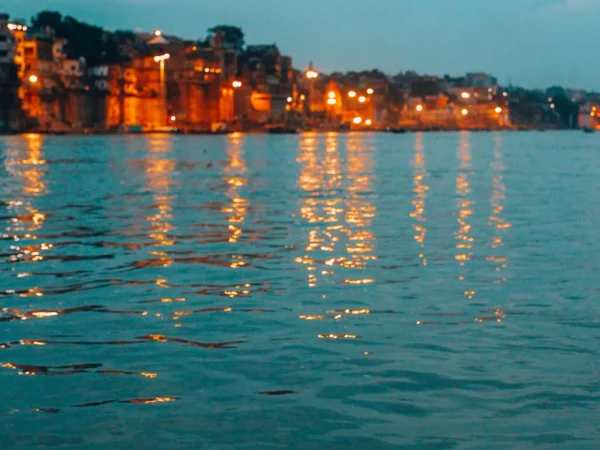
Rise early for a serene Ganges boat ride at sunrise. As you drift silently along the water, you will witness pilgrims bathing, priests performing morning rites, and the smoke rising from the cremation fires at Manikarnika Ghat. It is a profound meditation on life and death.
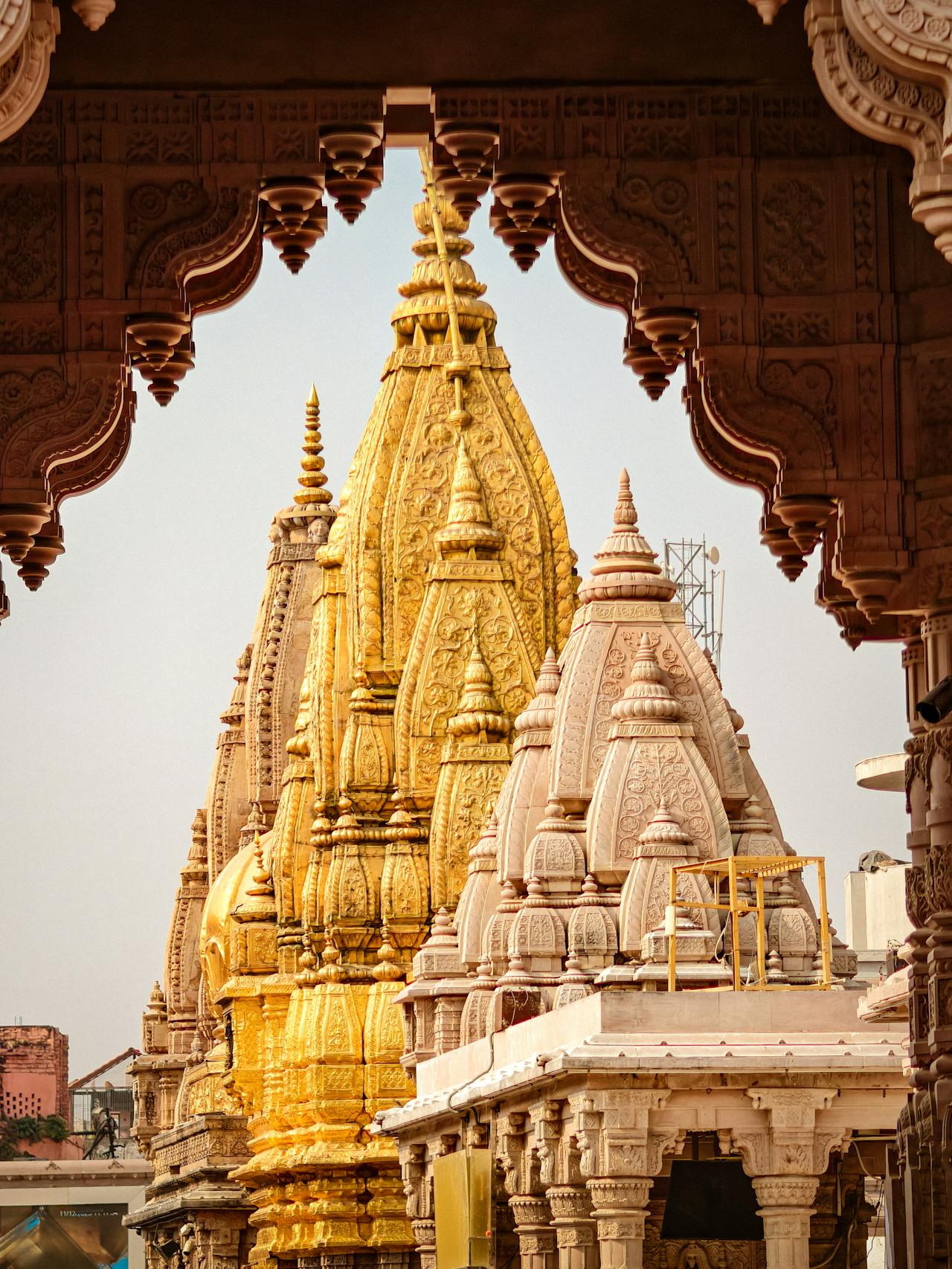
After breakfast, navigate the narrow, winding alleys to visit the Kashi Vishwanath Temple (the Golden Temple), one of the most important shrines dedicated to Lord Shiva.
In the afternoon, take a short excursion to Sarnath, located just 10 kilometers away. This peaceful deer park is where Lord Buddha gave his first sermon. Visit the Dhamek Stupa and the impressive Archaeological Museum, which houses the iconic Ashoka Pillar.
Your Golden Triangle Tour with Varanasi 8 Days (Spiritual Heritage Trip) concludes today. Depending on your flight schedule, you may have time for one last stroll along the ghats or some final souvenir shopping.
Transfer to Lal Bahadur Shastri International Airport in Varanasi for your flight back to New Delhi, where you can connect to your onward international journey, carrying a lifetime of memories with you.
You can cancel up to 48 hours in advance of the experience for a full refund.
Verified
Outstanding experience in both Varanasi and Agra! We had an unforgettable journey through Varanasi and Agra thanks to our guide. At the Taj Mahal, their deep knowledge of Mughal architecture and history brought the monument to life, and they expertly guided us away from the heavy crowds to get the best views and photos. In Varanasi, they navigated the bustling alleys and ghats seamlessly, explaining the spiritual significance of the Ganga Aarti and morning boat ride with great care and respect. Punctual, professional, and genuinely attentive throughout. Highly recommended to anyone visiting North India!Posted on Tripadvisor
 Sa-adi S
Verified
Best travel company when you go to Taj! Guide is the best. On point,l and very knowledgeable!Posted on Tripadvisor Mark Jheric TDon’t just go to the Taj Mahal…EXPERIENCE it!!! ⭐️⭐️⭐️⭐️⭐️ An Absolutely Incredible Day in Agra! Our experience with India Bon Voyage was truly unforgettable, and I cannot recommend them highly enough! Our day began with Jitendra picking us up from our hotel before sunrise so we could experience the Taj Mahal at sunrise. Seeing the Taj Mahal in that beautiful morning light was absolutely breathtaking. Afterward, he took us back to our hotel so we could relax and enjoy breakfast before picking us up again to continue our day. Jitendra was an incredible guide. He was knowledgeable, professional, personable, and genuinely fun to spend the day with. He answered every question we had and shared fascinating facts and stories that made the Taj Mahal come alive. He even pointed out some of the Taj Mahal’s amazing optical illusions and architectural details that we would have completely missed on our own. From there, we visited Agra Fort, the Baby Taj, and several really interesting local shops. One thing that really stood out to me was how attentive Jitendra was without ever being intrusive. When we wanted to wander around on our own, he stayed nearby in case we needed anything. That gave us the freedom to explore while still knowing we had someone looking out for us. Lunch at the beautiful five-star hotel was also fantastic and was such a wonderful addition to the day. But the perfect ending was still to come. At dusk, Jitendra took us to a beautiful viewing spot where we could watch the Taj Mahal as the changing light seemed to transform its color. It was absolutely magical and something I will never forget. Jitendra didn’t just show us the Taj Mahal—he helped us experience it. His knowledge, kindness, professionalism, humor, and genuine care made the entire day feel effortless and special. If you’re visiting Agra, do yourself a favor and book with India Bon Voyage. Having Jitendra as our guide made an already incredible place even more meaningful. We left with unforgettable memories, incredible photos, and a much deeper appreciation for the history and beauty of the Taj Mahal. India Bon Voyage and Jitendra deserve every one of these five stars! 🇮🇳❤️✨ ⭐️⭐️⭐️⭐️⭐️ Highly, highly recommended!Posted on Tripadvisor
 Catherine NAgra tour Jitu a great guide, was patient considerate and very knowledgeable. He explained in detail all of the important locations and significance. We would recommend using JituPosted on Tripadvisor
 Helen M2 days in Delhi and Agra It was a great experience, our tour guide in Agra, Asif, was very helpful, he told all of the history patiently.Posted on Tripadvisor
 Renaldi FAgra Bon Voyage Tour Review Honestly Asif do great and professional job. Highly recommended. They will take you to many amazing places.Posted on Tripadvisor
 Lai TMemorable experience Really knowledgeable, helpful and friendly guide whoe ensured smooth, quick access to the Taj Mahal, Agra Fort and Baby Taj. Thanks Jitu for a truly memorable day.Posted on Tripadvisor
 Jenny RA day in Agra with Jitu Had a fabulous day touring Agra with Jitu. Very professional and very professional 👏Posted on Tripadvisor
 Barbara CTaj Mahal Good experience and knowledgeable guidePosted on Tripadvisor
 stanley kTAJ MAHAL We had a wonderful experience. Reading about Taj Mahal does not compare to being there and getting the information and the intricate details. Jitu from India Bonvoyage was a fantastic guide, gave us much information on the history. I loved my experience and the wonderful love story of Mughal Shah Jahn and Mumtaj Mahal!Posted on Tripadvisor
 Barbara A
Login to use
Location
Duration
Experience Rajasthan's Royal Heritage and India's Most Famous...
Login to use
Location
Duration
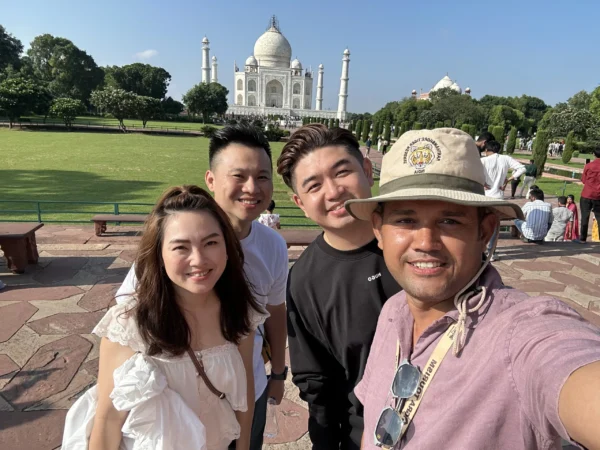
Explore Agra's Top UNESCO Landmarks with a Private...
Login to use
Location
Duration
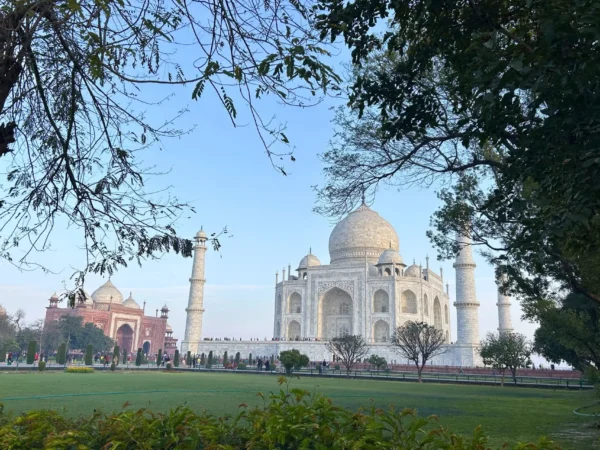
Capture the Taj Mahal's Changing Beauty from Dawn...
Login to use
Location
Duration
Witness the Magical Sunrise at the Taj Mahal...
Login to use
Location
Duration
Fast and Comfortable High-Speed Train Journey from Delhi...
Login to use
Location
Duration
Explore Sacred Ghats, Krishna's Birthplace, and India's Most...
Login to use
Location
Duration
Explore Delhi's Historic Landmarks and Witness the Stunning...
Login to use
Location
Duration
Experience Himalayan Beauty and India's Most Iconic Monument...