Fatehpur Sikri Tour from Agra

Loading available options...

Overview

  • Duration:6 hours 0 minutes
  • Travelers:1 - 100 guests
  • Tour Type:Day Tours, Taj Mahal Tour Packages
  • Language:English, French, Japanese, Russian, Spanish
If you find yourself in the city of the Taj Mahal, there is a ghost city made of crimson sandstone waiting just 40 kilometers away. A Fatehpur Sikri tour from Agra is more than just a peripheral day trip; it is a journey into the heart of the Mughal Empire’s golden age. Built by Emperor Akbar the Great in the late 16th century, this UNESCO World Heritage site served as the capital of the Mughal Empire for a brief, shining 14 years before it was mysteriously abandoned.

Walking through its massive gateways, you aren't just seeing ruins; you are witnessing a masterclass in Indo-Islamic architecture. From the soaring height of the Buland Darwaza to the ethereal white marble of Salim Chishti’s tomb, Fatehpur Sikri offers a quieter, more atmospheric alternative to the bustling crowds of Agra. Whether you are a history buff, a photography enthusiast, or a family looking to explore India's royal past, this guide will provide everything you need to plan a seamless and unforgettable excursion.

Fatehpur Sikri is often overshadowed by the Taj Mahal, but seasoned travelers know it holds a soul of its own. Founded in 1571, the city was built to honor the Sufi saint Salim Chishti, who correctly predicted the birth of Akbar’s heir. It represents a unique moment in history where Persian, Hindu, and Jain architectural styles merged into a single, cohesive "Akbari" style.

The "Ghost City" Mystique
The city was abandoned in 1585, primarily due to a failure in the water supply system. Because it was left behind so suddenly and never truly re-inhabited, the structures remain in an incredible state of preservation. Unlike other historical sites that were built over or destroyed by subsequent rulers, Fatehpur Sikri feels like a time capsule.

A Cultural Melting Pot
Akbar was known for his religious tolerance and his desire to blend the cultures of his vast empire. On your Fatehpur Sikri tour from Agra, you will notice carvings that resemble Hindu temple pillars standing alongside Islamic arches and Christian-influenced motifs. It is a physical manifestation of a ruler’s dream for a unified India.
Read more

Highlights

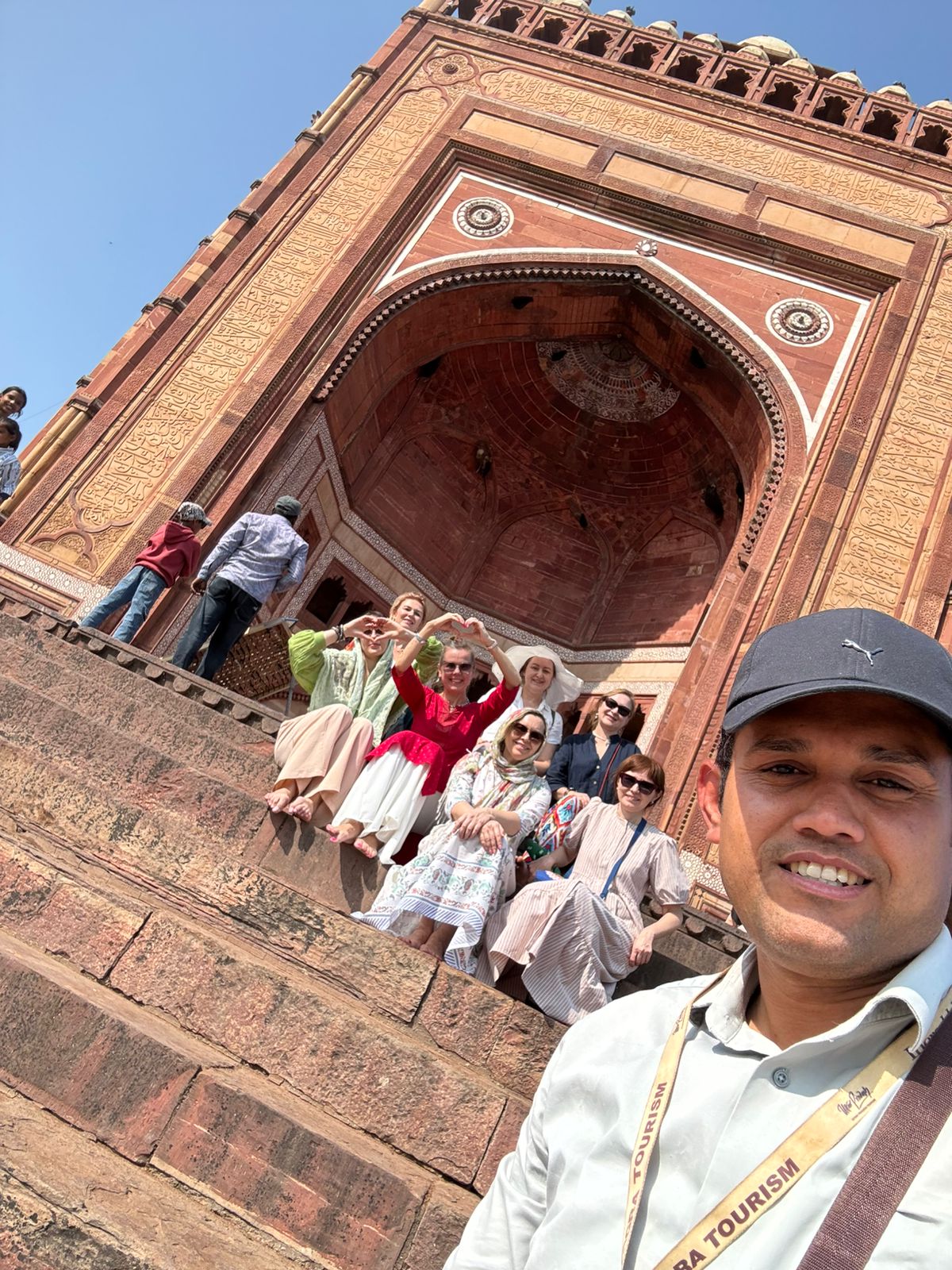
  • Buland Darwaza: The "Gate of Victory," standing at a staggering 54 meters, is the highest gateway in the world.
  • Jama Masjid: One of the largest mosques in India, reflecting the grandeur of Mughal spiritual life.
  • Tomb of Sheikh Salim Chishti: A stunning white marble dargah where visitors tie threads for their wishes to come true.
  • Panch Mahal: A five-story palatial structure designed for the royal ladies, offering panoramic views.
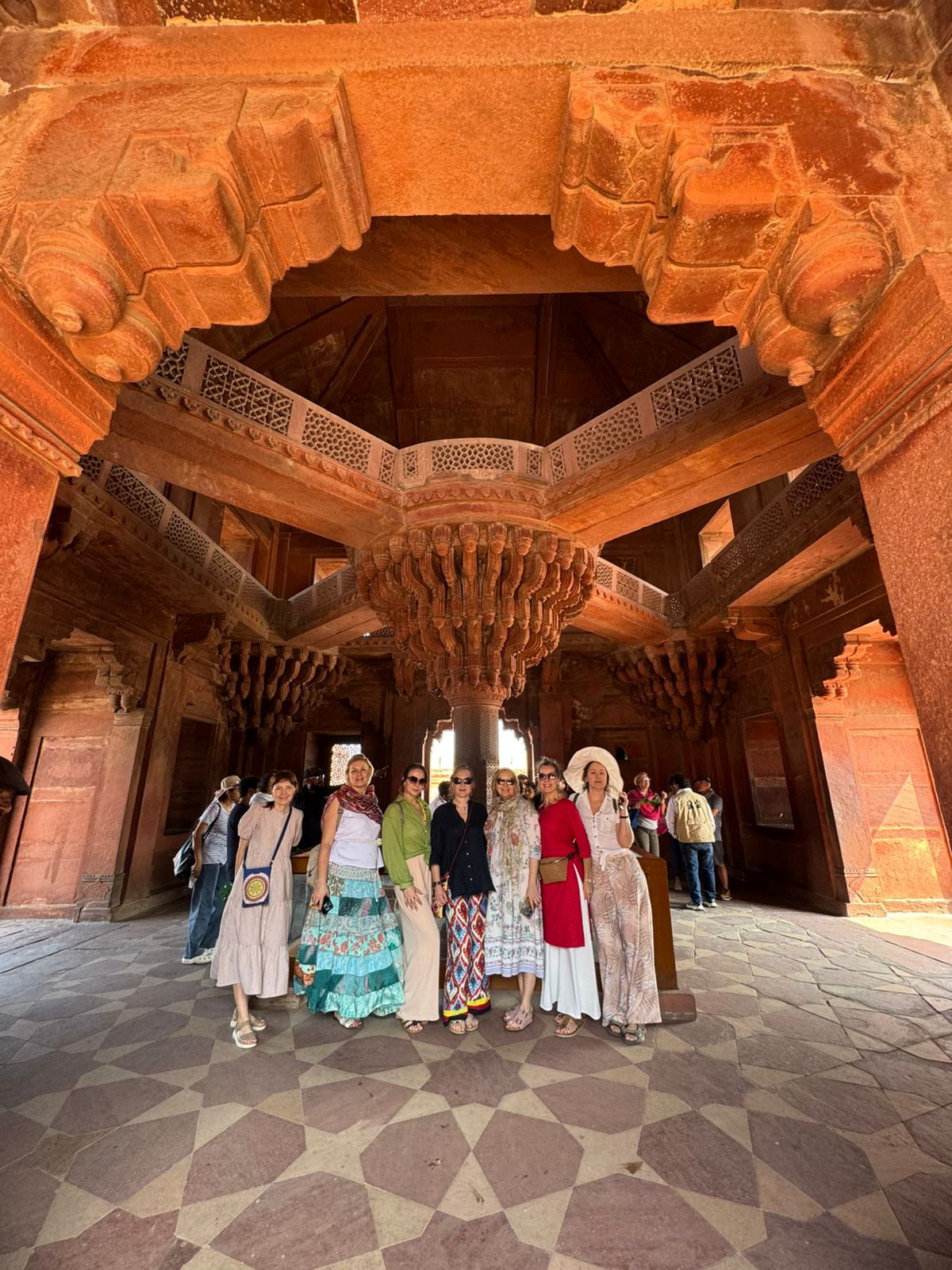
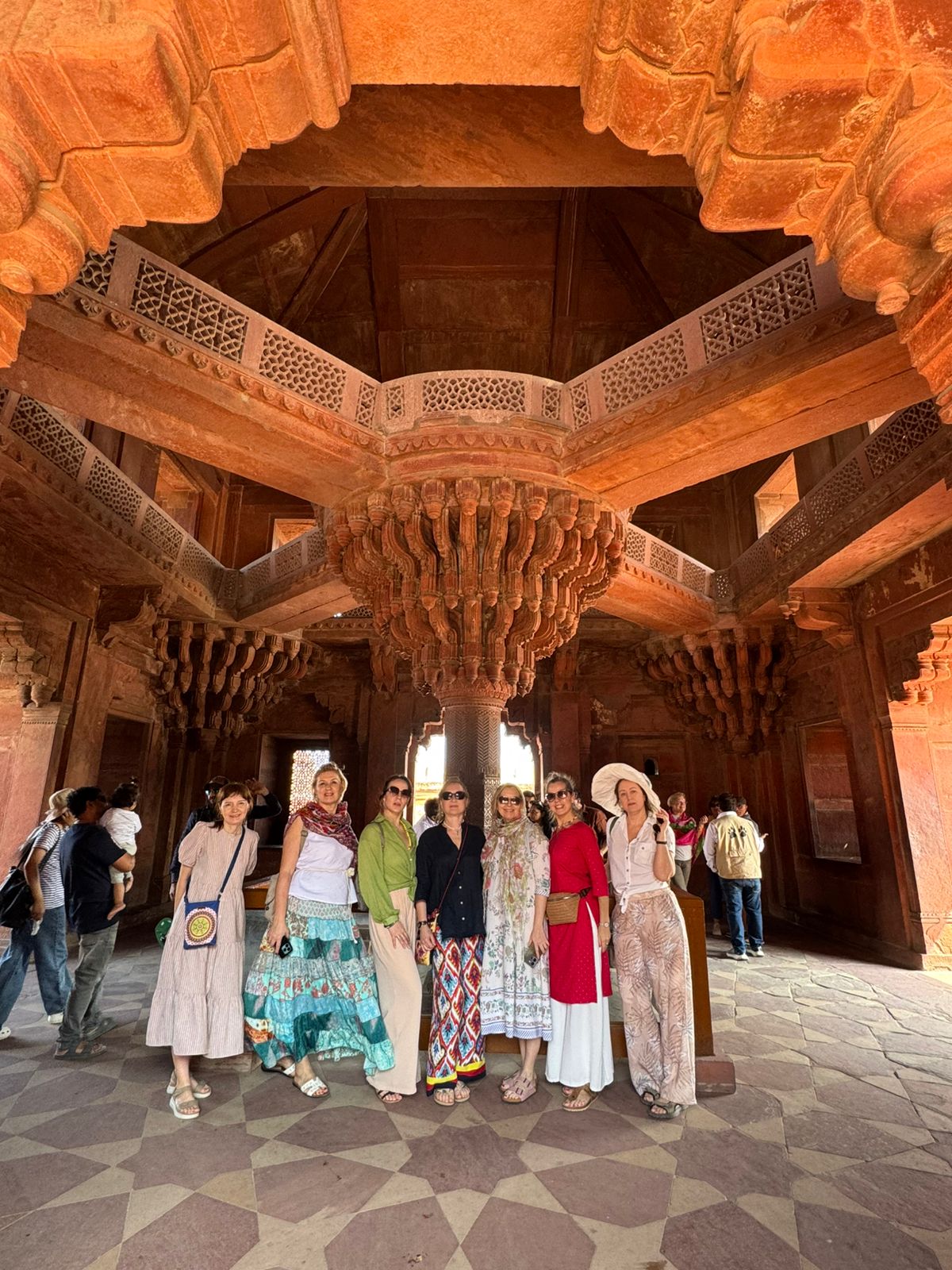
  • Diwan-i-Khas: The Hall of Private Audience featuring a central carved pillar that is an architectural marvel.
  • Anup Talao: A beautiful ornamental pool where legendary musician Tansen is said to have performed.
  • Birbal’s House: The ornate residence of Akbar’s favorite and wittiest minister.
  • Jodha Bai’s Palace: The largest residential complex, showcasing a blend of Rajput and Mughal styles.
  • Hiran Minar: A unique tower covered in stone elephant tusks, used as a milestone or a hunting watchtower.

Itinerary

Expand all

08:00 AM: Departure from Agra

Your journey begins with a scenic one-hour drive from Agra. Most travelers opt for a private AC car, which offers the flexibility to stop at local roadside cafes for a quick Masala Chai. The road is well-paved, passing through rural landscapes that offer a glimpse into Uttar Pradesh's village life.

09:30 AM: Arrival and the Royal Palace Complex

Upon arrival, you will park at the designated tourist area and take a government-run shuttle bus or a short walk to the main gates. Start your exploration at the Palace Complex (Civil Side). This area requires a ticket (valid for foreigners and Indians at different rates).

Key stops include:

  • The Diwan-i-Aam: Where the Emperor heard the grievances of the public.
  • The Diwan-i-Khas: Look closely at the "Lotus Throne" pillar. It’s the most photographed spot in the city for a reason.
  • The Treasury: Explore the "Ankh Michauli" (Blind Man’s Buff) house, where legends say the Emperor played games with his harem.
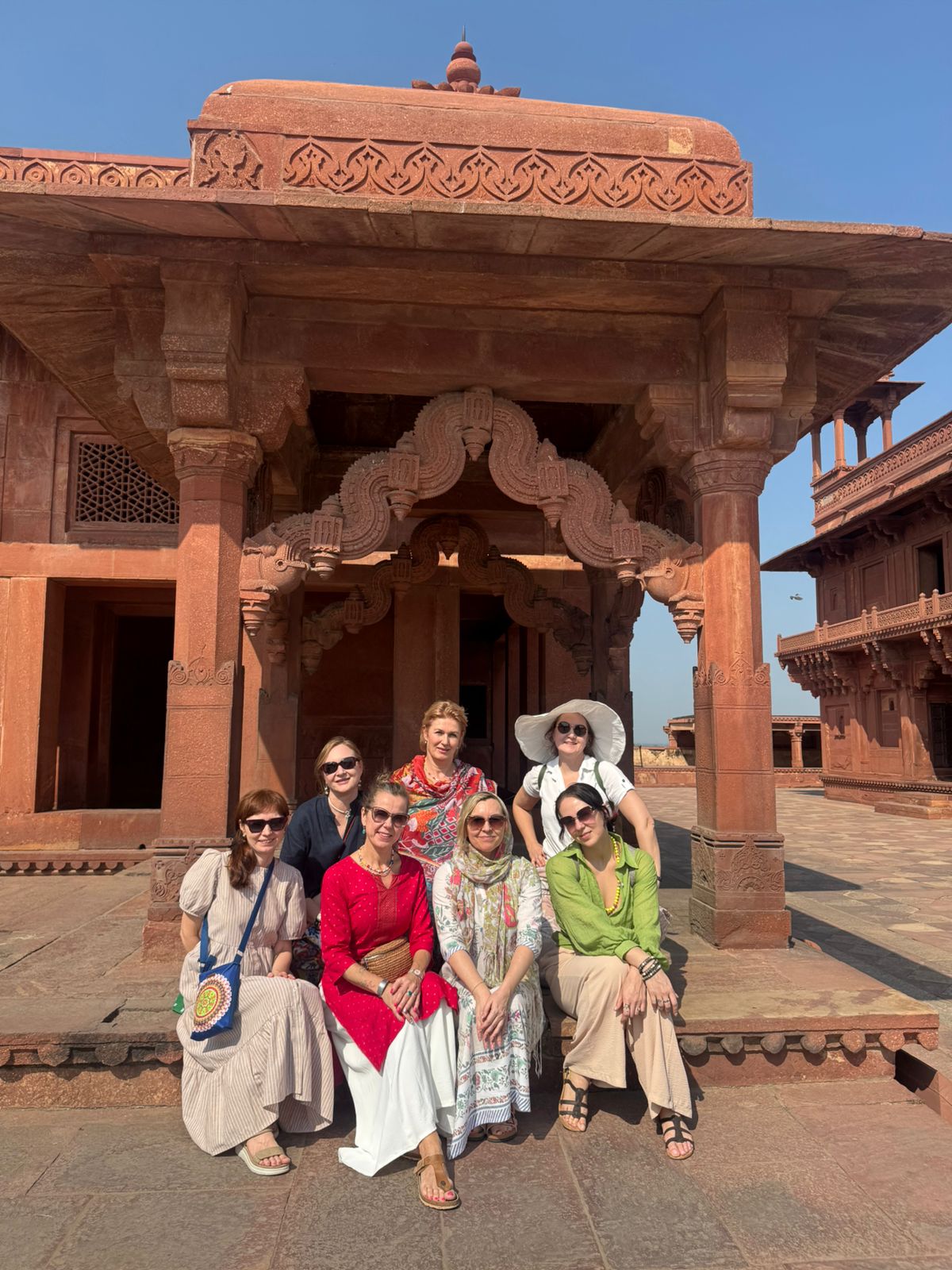
  • Panch Mahal: Panch Mahal is a five-story palace built with numerous columns and open pavilions. It was used by the royal women for relaxation and enjoying cool evening breezes
  • Jodha Bai Palace: Jodha Bai Palace is believed to have been the residence of Akbar’s Rajput queen. The palace combines Mughal and Rajput architectural styles with spacious courtyards and decorative carvings.
  • Anup Talao: Anup Talao is a beautiful ornamental water tank located near Diwan-i-Khas. It was used for musical performances and royal gatherings

11:30 AM: The Religious Complex (The Mosque Side)

After exploring the palaces, head to the religious side of the city. Entry here is free, though shoes must be removed.

  • The Buland Darwaza: Approach it from the outside to truly feel its scale. The inscription on the gate is famous: "The world is a bridge, pass over it, but build no houses upon it."
  • Salim Chishti’s Dargah: Enter the serene courtyard. The intricate jaali (lattice) work in the marble is breathtaking. You can purchase a "chadar" or thread here if you wish to participate in the local tradition of making a wish.
  • Jama Masjid: Jama Masjid is one of the earliest mosques built during the Mughal period. The mosque has a huge courtyard and elegant Mughal architecture. It remains an important religious site for visitors and pilgrims.

01:00 PM: Lunch and Local Flavors

After completing your visit to Fatehpur Sikri, enjoy a traditional lunch either on the way back or after arriving in Agra. Famous for its Mughal-inspired cuisine, Agra offers delicious specialties such as Butter Chicken, mutton curry, garlic naan, Kadai Paneer, and Paneer Butter Masala—perfect for experiencing the rich flavors of North India.

02:00 PM: Departure to Agra

After completing the tour, you will be dropped off at your hotel, train station, or any preferred location in Agra, as per your convenience.

Includes/Excludes

  • Professional Local Fatehpur Sikri Tour Guide
  • Air-conditioned vehicle
  • Fatehpur Sikri monument entrance (if tour booked with option)
  • Hotel pickup and hotel drop-off at Agra
  • Lunch (if you select tour with this option)
  • Gratuities
  • Any personal expenses

Cancellation policy

You can cancel up to 48 hours in advance of the experience for a full refund.

Frequently asked questions

Is Fatehpur Sikri worth visiting from Agra?

Absolutely. While the Taj Mahal is a monument to love, Fatehpur Sikri is a monument to an entire empire's vision. The preservation of the palace complex and the sheer scale of the Buland Darwaza make it one of the most significant historical sites in India.

How much is the entry fee for Fatehpur Sikri?

As of 2024–2025, the entry fee for the Palace Complex is ₹50 for Indian citizens and ₹610 for foreign tourists. Entry to the Mosque/Dargah area is free, though there are small fees for the shuttle bus and shoe storage.

Can I visit Fatehpur Sikri and Bharatpur on the same day?

Yes, it is possible. Many travelers combine their Fatehpur Sikri tour from Agra with a visit to the Keoladeo National Park in Bharatpur, as they are on the same highway. However, this makes for a very long day (10–12 hours).

How much time do I need for Fatehpur Sikri?

To see both the Palace Complex and the Religious Complex at a comfortable pace, you should allow at least 3 to 4 hours on-site, plus the 2 hours of total travel time from Agra.

Extra Services

Add Foreign Language Guide

Chinese, French, German, Italian, Russian, Spanish

$8/person

You might also like...