
Safe Places to Visit in India for First Timers: A 2026 Travel Guide
Introduction
Planning your inaugural journey to the vibrant Indian subcontinent is an incredibly exciting milestone. However, the sheer size, diversity, and bustling energy of the country can be intimidating for those unfamiliar with its rhythms. Identifying the safe places to visit in India for first timers is the absolute key to unlocking a memorable, stress-free vacation. In 2026, the country has made immense strides in tourism infrastructure, digital connectivity, and dedicated tourist police deployments, making it more accessible than ever for beginners, families, and solo travelers alike.
Choosing the right introductory destinations allows you to acclimatize gently to the culture without becoming overwhelmed. Instead of diving straight into the most chaotic urban centers, a well-curated itinerary focuses on regions with established hospitality networks, easy transportation, and a long history of welcoming international guests. In this comprehensive guide, we will explore the most secure, captivating, and tourist-friendly North Indian travel circuits, mountain escapes, and heritage cities, ensuring your first foray into this magical country is both entirely safe and deeply unforgettable.
The Classic Introduction: The Golden Triangle Tour India
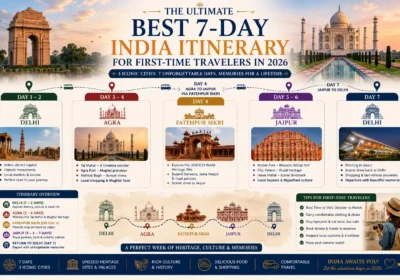
For decades, the Golden Triangle has served as the definitive starting point for international visitors. Connecting Delhi, Agra, and Jaipur, this route boasts the country’s most robust tourism infrastructure, making it exceptionally secure and easy to navigate for newcomers.
Delhi: The Historic Gateway
Your journey will almost certainly begin in New Delhi. While it is a sprawling, bustling metropolis, its central zones are highly secure and culturally rich. First-time visitors should focus on South Delhi and the diplomatic enclaves, which feature broad, tree-lined avenues, premium heritage hotels, and high-end dining. Navigating the city is incredibly safe thanks to the world-class Delhi Metro system and verified ride-sharing apps. When exploring monuments like Humayun’s Tomb or Qutub Minar, you will find well-managed entry protocols and ample security personnel, ensuring a secure environment for families and solo travelers.
Agra: The Marvel of Uttar Pradesh
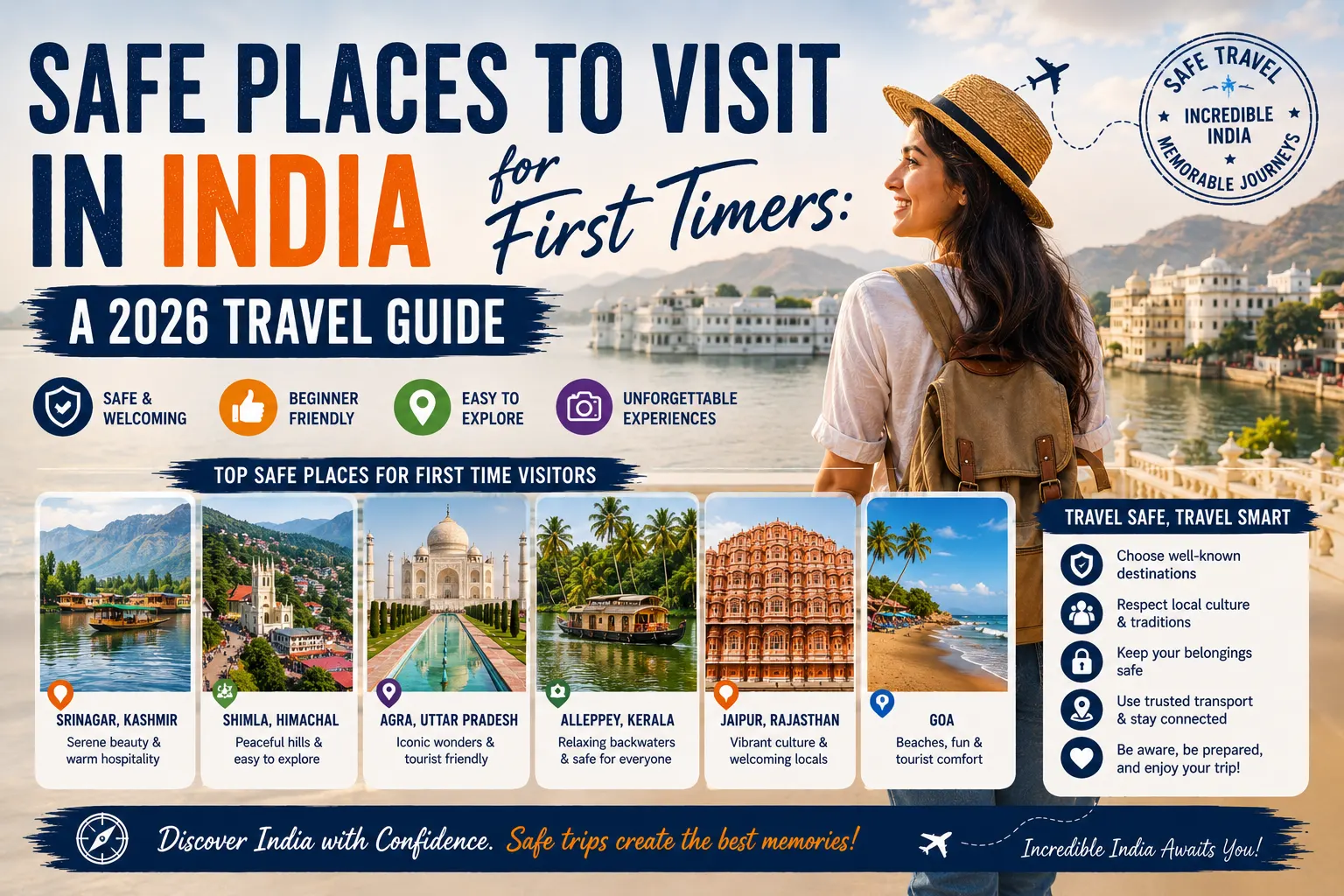
Home to the world-renowned Taj Mahal, Agra is an essential stop and a highly accustomed host to millions of global tourists annually. Because of its massive tourism economy, Agra features a high concentration of tourist police who ensure visitor safety around major monuments. For the best and safest experience, book a sunrise Taj Mahal tour; the early morning hours are less crowded, deeply peaceful, and visually stunning. Nearby, the deserted Mughal city of Fatehpur Sikri offers another well-preserved, safely manageable historical excursion for first-timers.
Jaipur: The Pink City of Rajasthan
Completing the triangle is Jaipur, the capital of Rajasthan. Known for its royal heritage, Jaipur is widely considered one of the most welcoming and safe Indian tourist destinations. The city’s major attractions, such as the Amber Fort and the City Palace, are impeccably maintained with clear signage, official audio guides, and regulated ticket counters. Jaipur is also famous for its secure, family-run heritage boutique hotels, which provide a peaceful, walled-garden oasis away from the energetic streets.
Serenity in the Himalayas: Safe Mountain Destinations India
If the heat and hustle of the plains seem daunting, the northern mountains offer a completely different side of the country. The Indian Himalayas are renowned for their slow pace, crisp air, and incredibly hospitable local communities, making them ideal safe places to visit in India for first timers.
Shimla and Manali: Himalayan Comfort
Shimla, the former summer capital of British India, is a pedestrian-friendly hill station. Its central promenade, The Ridge, is strictly vehicle-free, making it an incredibly safe and relaxed area for families to stroll, eat, and shop. Further north, Manali offers a perfect blend of comfortable luxury resorts and gentle adventure tourism. Both towns have highly developed tourism infrastructures, excellent medical facilities, and English-speaking locals who are deeply accustomed to hosting travelers from around the globe.
Leh Ladakh: High-Altitude Peace
If you are looking for dramatic landscapes combined with a near-zero crime rate, Leh Ladakh is unparalleled. Located in the far north, this high-altitude desert is steeped in peaceful Buddhist culture. The local Ladakhi people are famously honest and welcoming. Because of the heavy military presence in the region (due to its border location), security is absolute. The primary “safety” concern here is not crime, but acclimatization to the altitude, which is easily managed by resting for the first two days of your trip.
Spiritual Hearts and North Indian Travel Circuits
India’s spiritual core is a massive draw for visitors. While some holy cities can be intense, several have been systematically upgraded to provide a safe, accessible experience for first-time international tourists.
Amritsar: The Welcoming Golden Temple
Located in the state of Punjab, Amritsar is home to the spectacular Golden Temple (Harmandir Sahib). It is frequently cited by travelers as one of the most peaceful and well-managed spiritual sites on earth. The temple complex is spotlessly clean, highly organized, and open 24 hours a day. The Sikh tradition of seva (selfless service) means you will be treated with profound respect and hospitality. The city itself is very safe, and organized tours to the nearby Wagah Border for the evening flag-lowering ceremony are highly structured and secure.
Varanasi and Ayodhya: Cultural Immersion
Varanasi, one of the oldest living cities in the world, can be a sensory overload, but it is undeniably magical. To experience it safely as a first-timer, book a reputable heritage hotel directly on the ghats (riverbanks) and hire an official guide to navigate the labyrinthine alleyways. Nearby, the city of Ayodhya has recently undergone massive infrastructure redevelopment. With wide new tourist corridors, modernized amenities, and enhanced security perimeters around the Ram Mandir, it is quickly becoming one of the most accessible and organized cultural heritage sites in the North Indian travel circuit.
Rajasthan’s Wildlife and Royal Extensions
Beyond Jaipur, the broader state of Rajasthan offers incredible, well-organized travel circuits that are perfect for those wanting to extend their itinerary safely.
Udaipur: The City of Lakes
Often called the Venice of the East, Udaipur is arguably the most romantic and tranquil city in Rajasthan. Centered around Lake Pichola, the city is much quieter than Jaipur or Delhi. Its rooftop restaurants, boat rides, and the majestic City Palace are all highly regulated and extremely safe for tourists. The locals rely heavily on high-end tourism, ensuring a deeply respectful and secure environment for visitors.
Ranthambore: Guided Wildlife Safaris
If you want to see a Bengal tiger in the wild, Ranthambore National Park is the perfect, safe addition to a Rajasthan itinerary. Wildlife tourism in India is strictly regulated by the government. All safaris are conducted in official, open-top jeeps or canters driven by registered forest department guides. This structured approach means you can experience the thrill of the Indian jungle with absolute safety and professional oversight, making it a fantastic excursion for families and professionals alike.
Practical Tips for a Secure First-Time Trip
Knowing the safe places to visit in India for first timers is only part of the equation. Equipping yourself with the right practical knowledge will elevate your trip from good to flawless.
Health, Hygiene, and Dining
The most common issue travelers face is not crime, but minor gastrointestinal distress. To stay healthy, never drink tap water; rely exclusively on sealed, bottled mineral water (and use it to brush your teeth). When dining, stick to highly reviewed restaurants, luxury hotel cafes, or busy street food vendors where you can see the food being cooked fresh at high heat. Carrying a basic medical kit with rehydration salts and standard over-the-counter stomach remedies is highly recommended for peace of mind.
Navigating Transportation and Digital Payments
In 2026, getting around India is safer and more efficient than ever. For intercity travel, opt for the modern Vande Bharat Express trains or domestic flights rather than overnight buses. For inner-city transit, download ride-sharing apps like Uber or Ola. These apps track your GPS location and lock in the fare, completely eliminating the need to haggle with rickshaw drivers or worry about being overcharged.
Financially, India is a digital-first economy. Set up a tourist-friendly UPI (Unified Payments Interface) app on your smartphone before you arrive. Scanning a QR code to pay for an auto-rickshaw or a souvenir is the standard across the country, minimizing the need to carry large amounts of cash and protecting you from counterfeit currency scams.
Conclusion: Embrace Your Indian Adventure with Confidence
Embarking on your first journey to the subcontinent does not have to be an exercise in anxiety. By focusing your itinerary on the safe places to visit in India for first timers, you can experience the awe-inspiring beauty, profound spirituality, and vibrant culture of the country with total peace of mind. Whether you are marveling at the symmetry of the Taj Mahal in Agra, finding Zen in the high-altitude deserts of Ladakh, or exploring the regal forts of Rajasthan, India’s well-established travel circuits are ready to welcome you securely.
Remember, preparation is the ultimate safety tool. Utilize modern conveniences like digital UPI payments, stick to verified transportation apps, and respect local customs. When you do, you will find that India is one of the most hospitable and deeply rewarding destinations on the planet.
Ready to start planning your perfect 2026 getaway? Dive deeper into our resources and check out our guide on Navigating North Indian Travel Circuits: A Beginner’s Guide to begin crafting the adventure of a lifetime!
Frequently Asked Questions (FAQs)
Q.1 Is the Golden Triangle Tour India safe for families?
Absolutely. The Golden Triangle (Delhi, Agra, Jaipur) is the most well-trodden tourist route in the country. The infrastructure is highly developed, featuring secure family-friendly hotels, reliable transportation, and heavy deployments of tourist police at all major monuments.
Q.2 Are the mountain destinations in India safe for solo travelers?
Yes. Destinations like Shimla, Manali, and Leh Ladakh are famously safe for solo travelers, including solo female travelers. The local mountain communities are deeply hospitable, and the crime rates in these regions are exceptionally low.
Q.3 What is the safest way to travel between Indian tourist destinations?
The safest and most comfortable ways to travel long distances are by domestic airlines (like IndiGo or Vistara) or by booking AC-class tickets on the Indian Railway network, specifically the modern, high-speed Vande Bharat trains.
Q.4 How can a first-timer avoid getting sick in India?
Stick to drinking only sealed bottled water, avoid raw salads or peeled fruits at budget eateries, and eat at establishments with high turnover. Washing your hands frequently and carrying hand sanitizer are simple but highly effective ways to stay healthy.
Q.5 Do I need to carry a lot of cash to travel safely in India?
No. Thanks to the widespread adoption of UPI digital payments, you can pay for almost everything using your smartphone. Carry a small amount of cash (Rupees) for rural areas or minor tips, but rely on digital transactions or travel credit cards for maximum security.