

Is India Safe for Travelers in 2026?
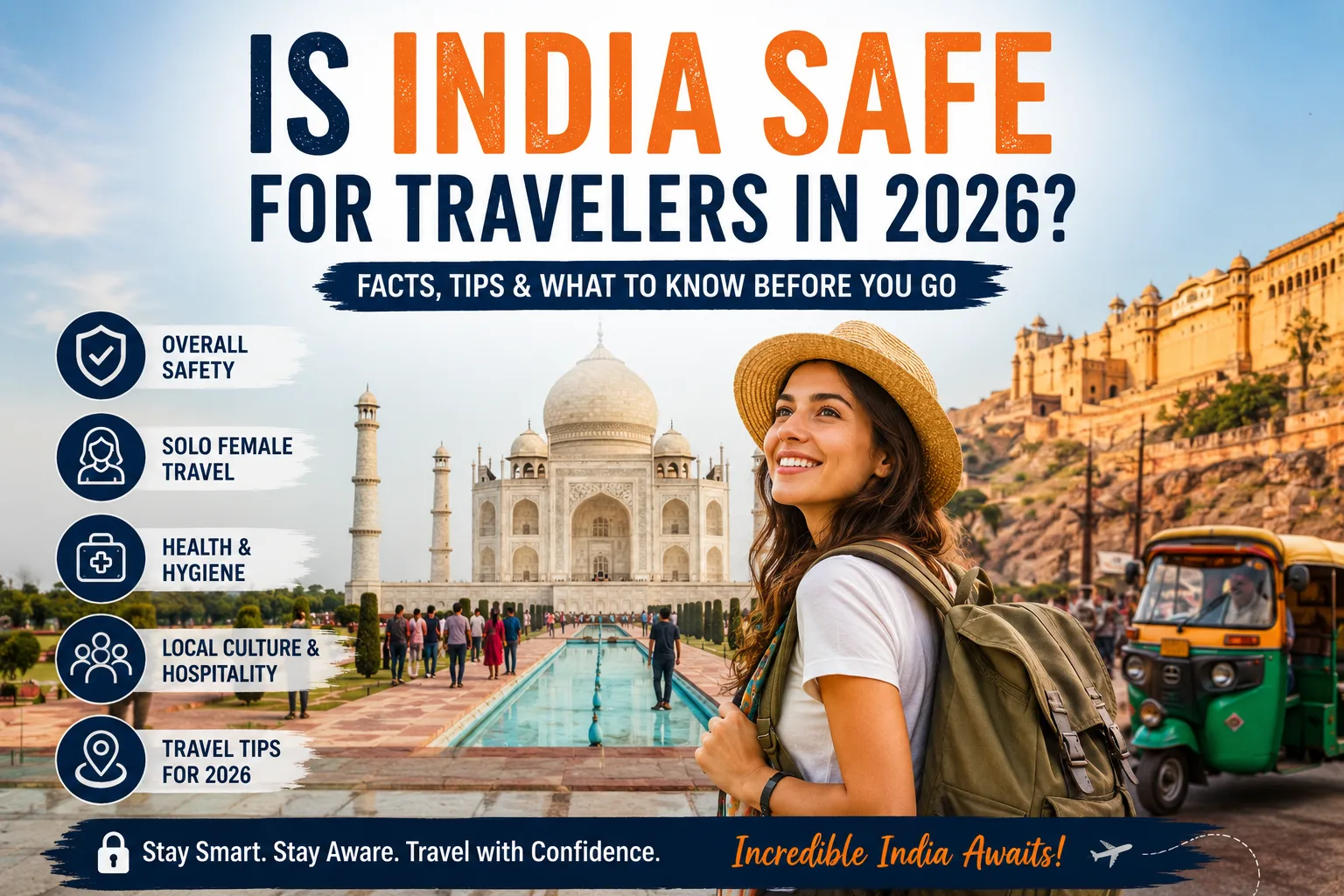
Introduction
When planning a trip to the subcontinent, the most common question that crosses a prospective visitor’s mind is: is India safe for travelers? It is a fair and important question. In 2026, India is more accessible, digitally connected, and tourist-friendly than ever before. However, like any vast, densely populated, and incredibly diverse nation, it presents its own unique set of challenges and rewards.
Whether you are a family seeking a cultural adventure, a professional looking for a wellness retreat, or a solo backpacker ready to explore ancient temples, safety should always be a priority. The short answer is yes—India is generally safe for travelers who exercise common sense, respect local customs, and prepare adequately. In this comprehensive guide, we will break down the realities of traveling in India today, offering expert advice, region-specific insights, and actionable tips to ensure your journey is as secure as it is unforgettable.
Overview: Navigating India’s Safety Landscape Today
To understand travel safety in India, you must first understand its scale. India is not just a country; it is a subcontinent consisting of 28 states and 8 union territories, each with its own language, culture, and level of infrastructure. What is true for a remote Himalayan village may not apply to the bustling metropolis of Mumbai.
In recent years, India has made massive strides in infrastructure and technology that directly benefit traveler safety. The widespread adoption of the Unified Payments Interface (UPI) means you can now pay for a cup of chai or a rickshaw ride with your smartphone, drastically reducing the need to carry large amounts of cash. Furthermore, the expansion of modern rail networks, better-lit public spaces, and dedicated tourist police in major states have made the country much easier to navigate. While petty crime and sensory overload are still factors to consider, a well-planned itinerary and a vigilant mindset are your best tools for a safe and enriching experience.
Region-by-Region: Safe Places to Visit in India
Because safety can vary wildly depending on your location, let’s look at some of the most popular and safest tourist circuits in the country.
The Golden Triangle: Delhi, Agra, and Jaipur
The Golden Triangle remains the most popular introductory route for first-time visitors. Because this area sees millions of international tourists annually, the tourism infrastructure is highly developed.
- Delhi: The capital is incredibly historic but can be overwhelming. Stick to well-reviewed accommodations and use verified ride-sharing apps like Uber or Ola. Beware of touts around major transit hubs.
- Agra: Home to the Taj Mahal. Agra is generally safe, though you will encounter persistent vendors and guides near monuments. Booking official tickets online in advance keeps you away from ticket-counter crowds.
- Jaipur: The Pink City is largely safe and welcoming. It is a fantastic place for families and couples, with excellent heritage hotels that offer secure, peaceful retreats from the busy streets.
Southern Serenity: Kerala and Tamil Nadu
South India is frequently cited by travelers as more relaxed and less chaotic than the North.
- Kerala: Known as “God’s Own Country,” Kerala is incredibly safe, boasting high literacy rates and a slower pace of life. It is an ideal destination for families, wellness seekers, and solo travelers. Houseboat operators and Ayurvedic resorts adhere to high safety standards.
- Tamil Nadu: Famous for its towering Dravidian temples, this state is deeply traditional. While it is very safe, dressing modestly is highly recommended to show respect for local customs.
The Himalayan Heights: Himachal Pradesh and Ladakh
For adventure seekers and professionals looking to disconnect, the Indian Himalayas offer a safe haven.
- Himachal Pradesh & Uttarakhand: Towns like Shimla, Manali, and Rishikesh have well-established backpacker and spiritual tourism routes. The main safety concerns here are not crime, but rather altitude sickness and unpredictable mountain weather.
- Ladakh: A high-altitude desert with a heavy military presence (due to its border location), making it incredibly safe from a crime perspective. However, acclimatization is strictly necessary to avoid acute mountain sickness (AMS).
Western Wonders: Rajasthan, Gujarat, and Goa
- Rajasthan: Beyond Jaipur, cities like Udaipur and Jodhpur are heavily reliant on tourism and are generally very safe.
- Goa: India’s premier beach destination is safe and familiar to Western tourists. However, standard beach-town rules apply: watch your drinks at bars, avoid unlit beaches at night, and drive scooters cautiously, as traffic rules are loosely followed.
Addressing Common Safety Concerns for Travelers
To ensure you have a stress-free trip, it is vital to address the specific concerns that most travelers have before arriving.
Solo Female Travel India: What You Need to Know
Solo female travel in India is entirely possible and increasingly common, but it does require a higher level of vigilance than traveling in Europe or Southeast Asia.
- Dress Modestly: Covering shoulders, cleavage, and knees helps deflect unwanted attention. Loose-fitting cotton clothes are both respectful and comfortable in the heat.
- Transportation: Avoid traveling alone at night in unverified transport. Use female-only carriages on the Delhi Metro (which are strictly enforced) and book upper berths on overnight trains for more privacy.
- Confidence is Key: Walk with purpose. If someone is staring or making you uncomfortable, do not be afraid to make a scene—locals will almost always step in to help a woman in distress.
Health and Hygiene in India: Staying Healthy on the Road
“Delhi Belly” is a famous traveler’s fear, but it is largely preventable with the right habits.
- Water: Never drink tap water. Stick to sealed, bottled water or carry a high-quality water purifier bottle (like a Lifestraw or Grayl). Use purified water even for brushing your teeth.
- Food: Eat where the locals eat—a busy street food stall with a high turnover of freshly cooked, piping-hot food is often safer than a quiet hotel buffet. Avoid raw salads, peeled fruit, and ice in your drinks unless you are in a high-end luxury hotel.
- Medical Care: Private hospitals in major Indian cities are world-class and surprisingly affordable. Always carry comprehensive travel insurance that covers medical evacuation just in case.
Scams and Petty Theft: How to Protect Your Belongings
Violent crime against tourists is exceedingly rare in India, but petty theft and scams are present, particularly in heavily touristed areas.
- The “Closed” Scam: A driver or tout may tell you that your hotel, train station, or monument is “closed” or “burned down” and offer to take you to an alternative (where they get a commission). Politely ignore them and insist on going to your destination.
- Pickpocketing: Keep your valuables in a cross-body bag or money belt in crowded bazaars and train stations.
- SIM Cards: Always buy your local SIM card or eSIM from an official provider (like Airtel or Jio) rather than a street vendor to avoid overcharging and registration issues.
Transportation Safety in India: Getting Around Securely
Getting from point A to point B in India is an adventure in itself. Here is how to do it safely.
Navigating the Indian Railway System
Trains are the lifeblood of India. By 2026, the introduction of high-speed Vande Bharat trains has revolutionized intercity travel, offering clean, safe, and air-conditioned environments. If booking overnight sleeper trains, opt for 1AC (First Class Air-Conditioned) or 2AC tiers. These carriages provide bedding, have lockable doors or curtains, and are monitored by train attendants. Keep your luggage padlocked to the provided chains under the seat for peace of mind.
Domestic Flights and Airport Security
India has a massive, highly efficient domestic aviation network (IndiGo, Air India, Vistara). Airport security in India is managed by the military (CISF) and is extremely strict and thorough. Flying is arguably the safest and most efficient way to cover large distances, such as traveling from Delhi to Kerala.
Using Rideshares, Taxis, and Rickshaws safely
For city travel, bypass haggling with auto-rickshaw drivers and use apps like Uber, Ola, or BluSmart (an all-electric, highly rated cab service). These apps track your journey via GPS and provide the driver’s details, making them the safest option for travelers, especially at night. If you do take a street rickshaw, agree on the fare before getting in.
Top India Travel Safety Tips 2026: Practical Advice
To summarize, here is a quick-fire list of practical India travel safety tips for 2026:
- Go Digital: Download tourist-friendly UPI apps (like Cheq) to scan QR codes for payments everywhere, minimizing the cash you carry.
- Stay Connected: Buy an eSIM before you land so you have immediate access to Google Maps, translation apps, and ride-sharing services the moment you step out of the airport.
- Share Your Itinerary: Keep friends or family back home updated on your location, and share your live location via WhatsApp when taking long cab rides.
- Carry a Medical Kit: Pack basics like rehydration salts, anti-diarrhea medication, ibuprofen, and a broad-spectrum antibiotic (prescribed by your doctor at home).
- Use the Tourist Police: Many states have dedicated tourist police identifiable by specific armbands or booths. They speak English and are there explicitly to help you with harassment or lost items.
Conclusion: So, Is India Safe for Travelers?
Traveling to India is an experience that will challenge you, change you, and leave you in absolute awe. Is India safe for travelers? Yes—provided you approach the country with a blend of common sense, preparation, and an open mind. By understanding regional differences, utilizing modern digital tools like UPI and ride-sharing apps, and following basic health and hygiene rules, you can mitigate the vast majority of risks.
India rewards the prepared traveler. Embrace the chaos, respect the culture, and you will find that the people of India are among the most hospitable and welcoming on earth.
Ready to start planning your Indian adventure? Check out our Ultimate 2-Week India Itinerary to begin crafting the trip of a lifetime, or subscribe to our newsletter for more expert travel guides and safety tips delivered straight to your inbox!
Frequently Asked Questions (FAQs) About Safety in India
Q.1 Is it safe to drink the water in India?
No, tap water is not safe for drinking. Always drink bottled water with an intact seal, or use a high-quality water purification bottle. Avoid ice in drinks unless you are at a luxury establishment.
Q.2 Is India safe for a family vacation?
Absolutely. Indians are incredibly family-oriented and love children. Traveling with kids will open many doors and invite warm interactions. Stick to family-friendly regions like Kerala, Rajasthan, and Goa, and book comfortable, air-conditioned transport.
Q.3 What is the safest way to carry money in India?
While you should always have some cash (Rupees) for small tips and rural areas, digital payments are the standard in 2026. Setting up a tourist UPI app allows you to pay digitally almost everywhere. Keep bulk cash and extra credit cards locked in your hotel safe.
Q.4 When is the safest and best time to visit India?
Weather plays a huge role in safety. The best time to visit most of India is during the cooler, drier months from October to March. Avoid the peak summer (May-June) to prevent heatstroke, and be cautious during the monsoon (July-September) when flooding can disrupt travel.